Kenosha, WISame-day service/Free estimates/Licensed & insured(262) 216-2770

Kenosha, WI

Garage Door Repair for Kenosha and the Towns Around It

Garage door repair for Kenosha and nearby towns like Pleasant Prairie and Mount Pleasant, where most houses date from 1964 to 1994 and winters run cold.

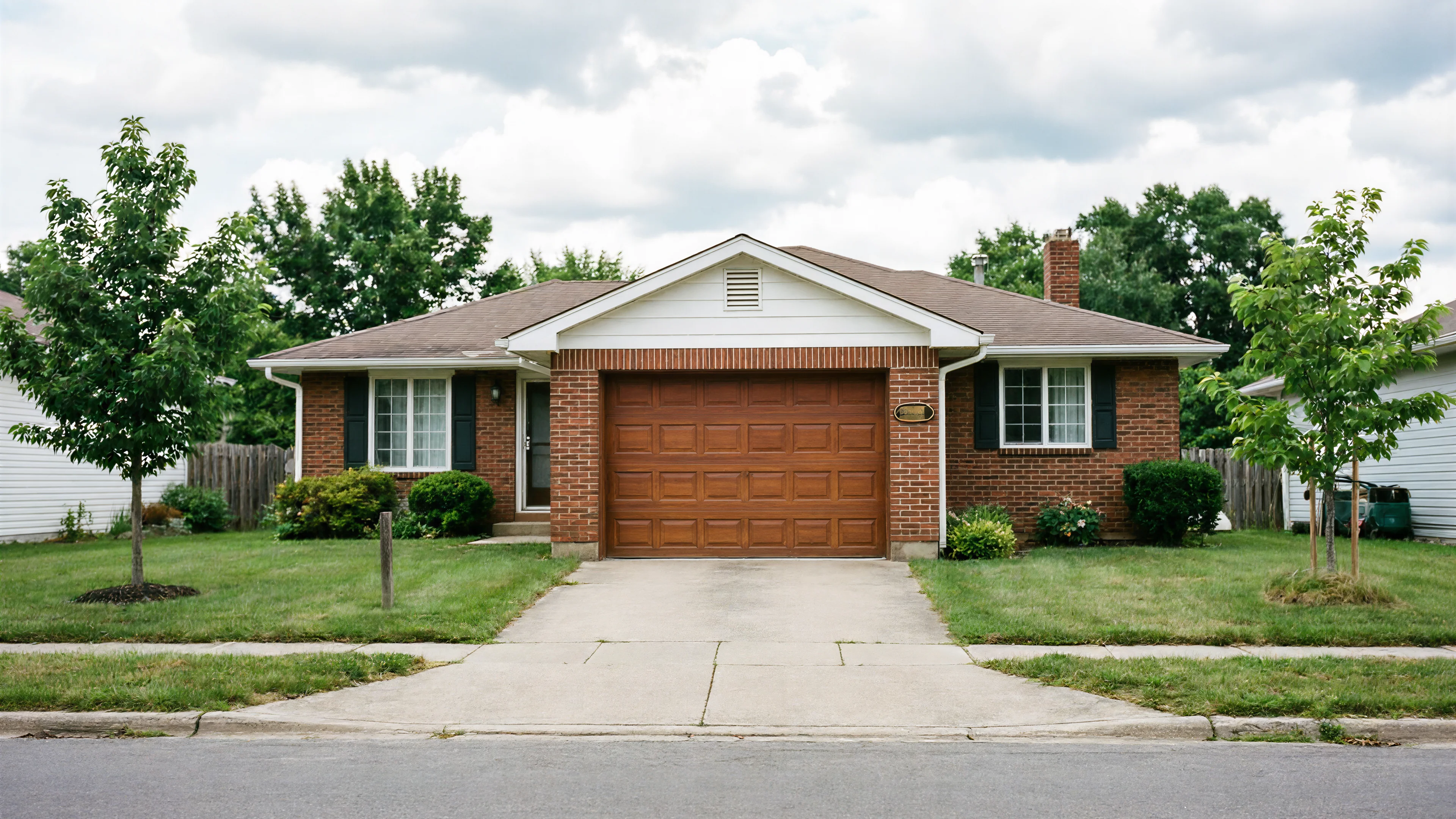
A brick house with a brown garage door and green lawn under a cloudy sky.
Kenosha, WI
Serving Kenosha, WIBackground-checked techsHonest, upfront pricingFast local response
Median 1976
Build year of the local homes we service
1964-1994
When most area homes were built
34,220
Owner-occupied houses across the area
14 towns
Named communities we cover

Garage door services

Garage Door Services in Kenosha

A technician works on a partially open garage door with a car parked nearby.

Emergency Garage Door Repair Across Kenosha County

Broken torsion spring or stuck door in Kenosha? We repair springs, openers, and tracks on the 1960s-90s housing stock across Kenosha County, WI, fast.. Learn more →
A technician in gloves is adjusting a garage door hinge and cable.

Garage Door Cable Repair, Kenosha WI

Snapped or frayed garage door cables are common in Kenosha's 1960s-90s housing stock after cold winters. Learn more →
A brown garage door is installed with new panels stacked on the driveway.

Garage Door Installation for Kenosha, WI Homes

New garage door installation for Kenosha, WI homes built 1964-1994, where original hardware no longer fits modern springs, openers, and cold-climate seals.. Learn more →
A technician in a gray shirt and gloves works on a garage door track.

Garage Door Maintenance Built for Kenosha's Housing and Winters

Seasonal garage door tune-ups for Kenosha's 1960s-90s housing stock. Learn more →
A technician adjusts a garage door opener with a wrench.

Garage Door Opener Installation for Kenosha-Area Homes

Kenosha homes built 1964-1994 often run openers past their design life in cold winters. Learn more →
A technician holds a long level in front of a closed tan garage door.

Garage Door Repair for Kenosha Homes

Garage door repair in Kenosha, WI for the torsion springs, rollers, and openers common in the city's 1964-1994 housing stock. Learn more →
A light brown wooden garage door on a gray house with a concrete driveway.

Garage Door Service for Kenosha Homes

Garage door repair built around Kenosha's 1964-1994 housing stock and cold winters - torsion springs, worn rollers, and opener fixes done right the first time.. Learn more →
A technician's gloved hands are working on a garage door torsion spring.

Garage Door Spring Repair Across the Kenosha Service Area

Torsion springs on the Kenosha area's 1960s-90s doors wear out fast in cold winters. Learn more →

What to expect

How the Visit Works

We look at the door, track, springs, and opener before quoting anything, because most service calls here trace back to the same handful of failures on 1960s and 70s houses. We stock the common parts for that era, so many jobs finish the same visit, and anything we have to order gets a timeline and a price first.

  1. We Look Before We Quote

    We come look at the door, the track, the springs, and the opener before we quote anything.

  2. What We Usually Find

    Most of what we see on a service call is a broken torsion spring, a bent track from a car bumping it, or an opener that's stopped reversing on contact - all common on houses from the 1960s and 70s that make up most of this area's housing.

  3. Common Parts On the Truck

    We carry the common spring sizes and roller types for that era of construction on the truck, so a lot of jobs get fixed same visit.

  4. Straight Talk on Parts

    If your door needs a part we don't stock, we'll tell you when we expect it and what the job will run before we order it. No guessing after the fact.

What we find

What Breaks Around Here

Most of what breaks around here is age and cold doing their work on original hardware, not bad luck or anything exotic. The doors sit on houses from a long mid-century to late-century stretch, so the failures run to a familiar short list of springs, tracks, and openers.

The Doors We See Most

The doors we work on most are original or near-original to homes built between 1964 and 1994 - spread across the fourteen areas we cover, from close-in spots like Pleasant Prairie four miles out to farther towns like Burlington and Twin Lakes.

Original, Brittle Springs

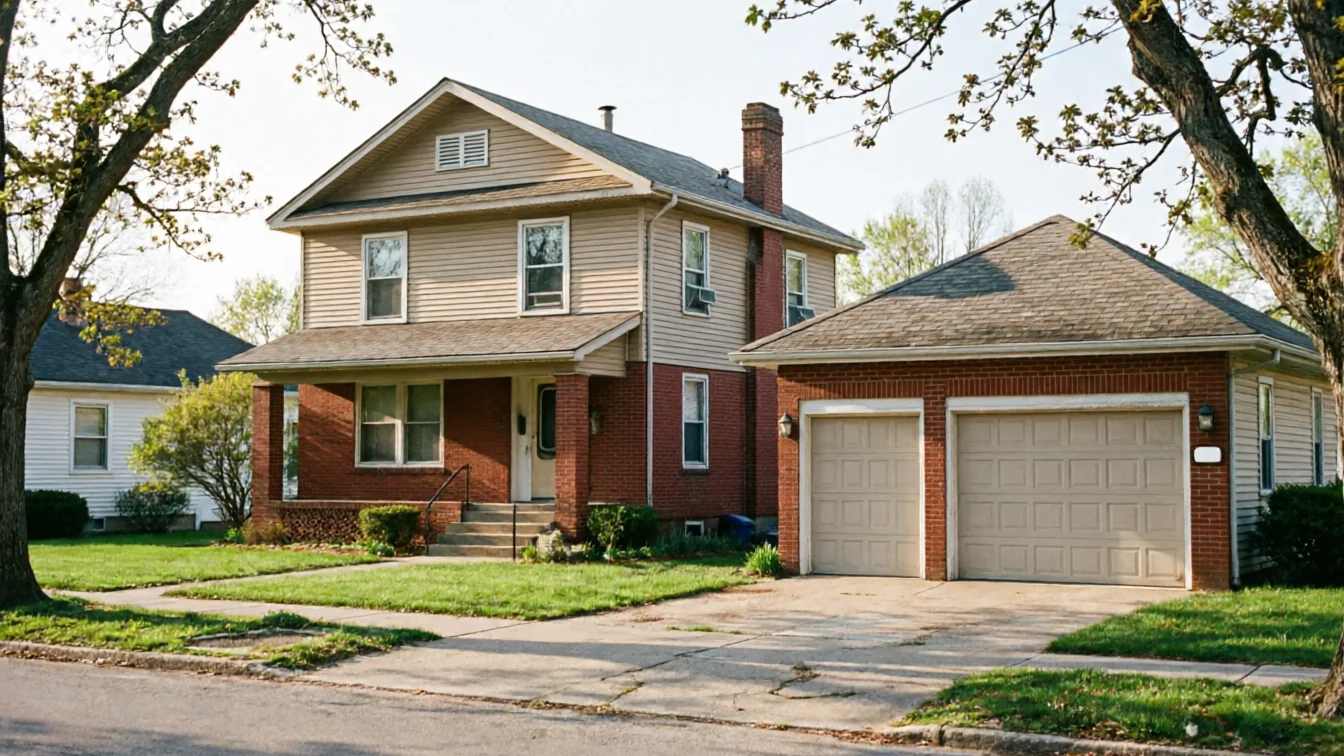
That median build year of 1976 means a lot of torsion springs and extension springs that are original equipment, never replaced, and now brittle.

Cold and the Track

Add a cold climate with real winter swings, and steel tracks contract enough in January that a door already running a little crooked will jump the roller.

Pre-Safety Openers

We also see a fair number of openers that are original to the house - chain-drive units from well before today's safety standards, with no working auto-reverse.

Not a Scare Story

That's not a scare story, it's just what a 1970s garage door setup looks like fifty years on.

How we work

What It Costs and Why

We don't post a flat price list because the fix depends on what's actually wrong and how old the hardware is.

A single broken torsion spring on a door built in the 1976 era costs less to fix than a full double-door torsion conversion on a garage that was never set up right to begin with.

We'll walk you through what's driving the number before we start: parts, whether it's one spring or a matched pair, and whether the drums or bearing plates need replacing too.

Given the median household income of $92,803 across the area, most of our customers are deciding between a repair and a full opener or door swap, not between fixing it and not fixing it.

We price so that decision is informed, not guessed at.

Good to know

The Area and Its Housing

This area runs from Pleasant Prairie four miles out to places like Wheatland, Burlington, Twin Lakes, and Browns Lake twenty miles off, with Bristol, Sturtevant, and Mount Pleasant at eight miles and Union Grove, Paddock Lake, Salem Lakes, Wind Point, Caledonia, and Eagle Lake filling in between.

Across those fourteen named areas, housing mostly went up between 1964 and 1994, with a median build year of 1976 - ranch houses and split-levels with attached garages built to the codes and materials of that stretch.

A row of brick houses with garages and autumn leaves on the ground.
1976 Median local build year:

Out of 52,202 households in the area, 34,220 are owner-occupied houses, which is the bulk of who calls us: people who own the place and want the door fixed right, not patched.

The cold climate here means steel hardware that was fine when installed is now decades past its expected life, and that shows up as the spring and track failures we see week to week.

Local detail

When Repair Is Not Worth It

A broken door doesn't always mean replace, and an old one doesn't always mean repair. On stock from the 1960s through the mid-90s, we'll say plainly when a fix is really a stopgap and when a new door or opener is the better spend - before we touch anything.

Parts You Can't Always Get

If your door is original to a house built in the 1960s or 70s, which covers a lot of the stock across this area, the spring and track hardware is old enough that we sometimes can't get a matching part without a long wait.

When Patching Just Buys a Year

When a torsion spring has seized and the drum or shaft is pitted from decades of use, patching it is a short-term fix that costs you another call in a year. We'll tell you straight when a repair is really a stopgap.

Openers From That Era

Same goes for openers from that era - if the gearing is stripped and the motor housing is cracked, buying a new unit costs about the same as trying to source obsolete parts for the old one, and the new one will actually have a safety reversal sensor that works.

No Talked-Into Replacement

We're not going to talk you into replacing a door that just needs a roller and a cable.

No Chasing Dead Parts

But we're also not going to spend two hours chasing down a part for a mechanism nobody made replacements for after 1990.

The Conversation First

If your house falls in that 1964-1994 build window, that's the conversation we have before we touch anything.

Questions

Common questions

Do you work on doors from the 1970s?

Yes, most of what we see is exactly that. The area's housing is mostly 1960s-90s stock with a median build year around 1976, so original torsion springs, drums, and chain-drive openers from that era are our most common calls. We carry common spring sizes for that period on the truck.

How far out do you go?

We cover the area out to about twenty miles, including Pleasant Prairie, Bristol, Sturtevant, Mount Pleasant, Union Grove, Paddock Lake, Salem Lakes, Wind Point, Caledonia, Eagle Lake, Wheatland, Burlington, Twin Lakes, and Browns Lake. Call and tell us where you are and we'll confirm.

Why did my spring break in winter?

Cold temperatures make steel springs more brittle, and a spring that was already near the end of its cycle life is more likely to snap in a cold stretch than a mild one. If your house is from the 1960s-70s building wave common here, the spring may be original and simply overdue.

Should I replace my old opener or fix it?

Depends on the unit. If it's an original chain-drive opener from the 1970s-80s without working auto-reverse, replacement usually makes more sense than repair, both for safety and because parts for that generation are hard to source. We'll tell you which situation you're in before quoting anything.

Ready when you are

Need a garage door sorted in Kenosha?

Kenosha Garage Door Pros repairs and installs garage doors, springs and openers in Kenosha, WI and the surrounding area.

CallGet a quote